
Where microbiology and immunology meet pharmaceutical science

Microbiology and immunology study the smallest forms of life and the defences that larger organisms use against them. The two fields are closely connected, because infection is a meeting point between a microorganism and a host. Their findings shape how we treat infectious disease, develop vaccines and understand immunity. This overview describes the general themes of both fields and what you should confirm on the journal's official pages.
What microbiology studies
Microbiology examines bacteria, viruses, fungi and other microorganisms: how they live, reproduce, obtain energy and interact with their surroundings. It also studies how they can cause disease and how they respond to treatment. Methods range from culturing and microscopy to molecular analysis.
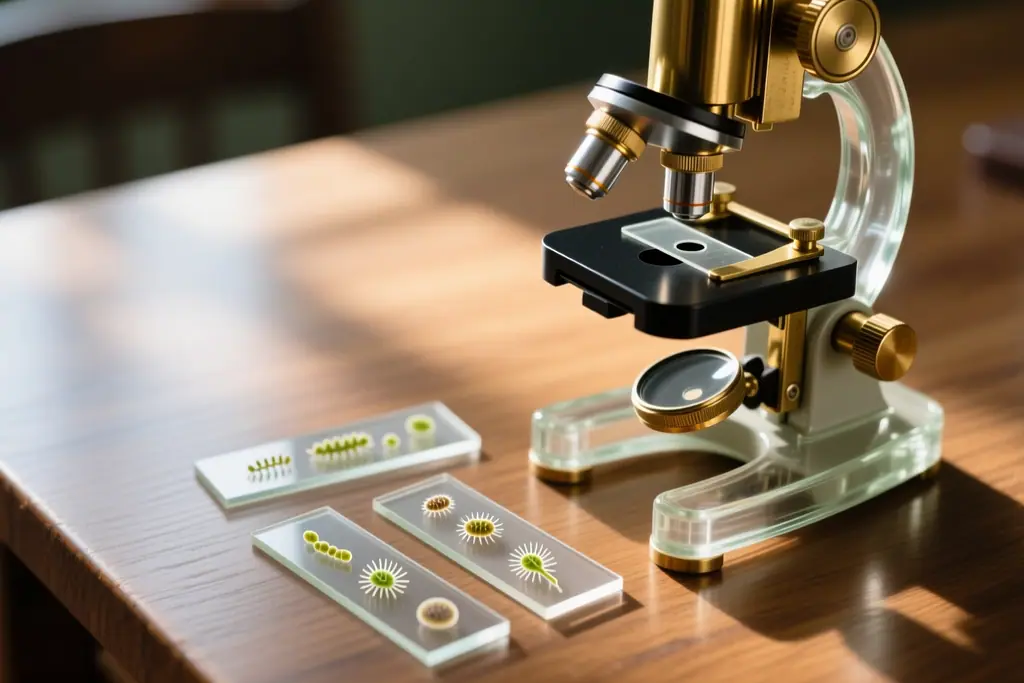
Not all microorganisms are harmful; many are essential to health, to industry and to the environment. A balanced view of the field includes both the harmful and the beneficial.
Antimicrobials and resistance
Antimicrobial medicines kill or inhibit microorganisms, and they have transformed the treatment of infection. Their usefulness, however, depends on the target remaining susceptible. Resistance arises when microorganisms survive treatment and pass on the ability to do so, which is one of the most serious challenges in medicine.
Addressing resistance involves careful use of existing medicines, the search for new ones, and measures to limit the spread of infection. It is a problem that connects laboratory science with clinical practice and public health.
What immunology studies
Immunology examines how organisms recognise and respond to foreign material. It covers the immediate defences that act quickly and the slower, more specific responses that provide lasting protection. It also studies what happens when these systems malfunction, whether by failing to defend or by attacking the body's own tissues.
Understanding immunity is central to vaccination and to the treatment of allergic and autoimmune conditions. It draws heavily on cell and molecular biology.
Vaccination and immune protection
Vaccination works by preparing the immune system to recognise a threat before it is encountered. Different approaches present the immune system with material in different ways, and each has its own advantages and limitations. The aim is protection without the risk of the disease itself.
Vaccine research involves both microbiological and immunological thinking, and it depends on careful testing at every stage. Claims about protection must rest on evidence from appropriate studies, not on expectation.
The two fields at a glance
The table below summarises the focus of each field and where they meet. The examples are general illustrations rather than descriptions of any specific study.
| Area | Main focus | Typical question |
|---|---|---|
| Microbial biology | How microorganisms live | How do they grow and survive? |
| Pathogenesis | How infection causes disease | What makes an organism harmful? |
| Antimicrobials | Treating infection | How can infection be controlled? |
| Immunology | Host defence | How does the body respond? |
| Vaccinology | Preventing disease | How can protection be induced? |
Where the fields meet pharmacy
Both fields connect closely to pharmaceutical science. Antimicrobial development is a pharmaceutical enterprise as much as a biological one, and immunology informs the design and testing of many medicines. Sterility, preservation and the control of contamination are practical pharmaceutical concerns rooted in microbiology.
- Testing antimicrobial activity in the laboratory.
- Developing formulations that remain free of contamination.
- Understanding how medicines interact with the immune system.
- Applying microbiological standards in manufacturing.
- Studying resistance as a shared clinical and laboratory problem.
Reading this research critically
Microbiology and immunology are fields where results can be over-interpreted, especially when a laboratory finding is presented as a treatment. A reader should ask which organism or system was studied, under what conditions, and whether the conclusion follows. A result in a simplified model is a starting point, not a proven therapy.
Because testing requirements, safety standards and treatment guidance are set by the relevant authorities and change as evidence develops, this overview is deliberately general. For anything that affects health decisions, rely on qualified professionals and confirm current guidance on the relevant official pages.
Microbiology and immunology study microorganisms and host defence, meeting at the problem of infection and resistance. They connect directly to pharmaceutical science through antimicrobials, sterility and the testing of medicines. Findings should always be read at the stage they were obtained. Guidance and standards are set by the relevant authorities, so confirm the current position on the official pages.
Read next
An overview of drug delivery and formulation approaches
General principles of dosage forms, release control and targeted delivery.
Natural products and phytochemistry: a general overview
How plants and other organisms are studied as sources of bioactive compounds.
Analytical methods in pharmaceutical analysis
The role of separation, spectroscopy and quality control in testing medicines.